































- Authorized Warranty
- Flexible payment options
- Delivery & installation

Tires and pollution: debunking the myth about tire pollution

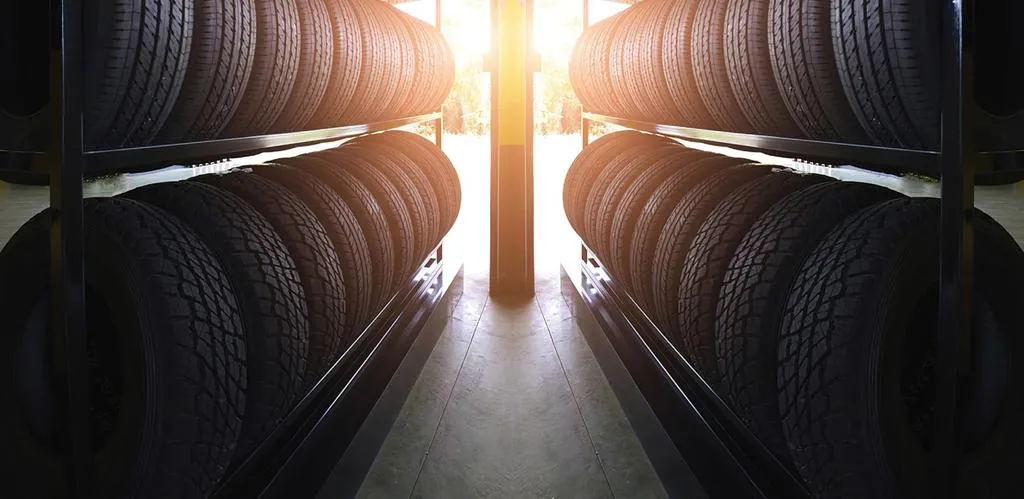
The environmental impact of car tires has sparked a longstanding debate. Some contend that tires play a substantial role in pollution, potentially surpassing emissions generated by a vehicle’s exhaust system. This article endeavors to cast light on this issue, revealing the genuine extent of tire-related pollution in comparison to exhaust emissions. Understanding Tire Composition: Before delving deeper into the discourse, it is essential to comprehend the composition of car tires. Tires are constructed from a blend of rubber, synthetic materials, and various chemicals. These elements confer the requisite traction, durability, and road performance.
Tire Wear and Particulate Matter:
Concerns regarding tire-related pollution often center around the generation of particulate matter. As tires undergo wear over time, they release minute rubber particles into the environment. These particles, termed microplastics, can contribute to both air and water pollution. However, empirical studies have demonstrated that the quantity of particulate matter emanating from tires is notably less when compared to exhaust emissions. Exhaust Emissions and Air Pollution: In the context of air pollution, exhaust emissions from vehicles wield a significant impact. Combustion engines discharge an array of pollutants, encompassing carbon monoxide, nitrogen oxides, and volatile organic compounds. These emissions exert a direct influence on air quality and are subject to stringent environmental regulations.
Tire-Related Pollution: The Facts:
Contrary to prevailing beliefs, tires do not generate a greater quantum of pollution than exhaust emissions. While tire wear indeed contributes to environmental pollution, the aggregate impact remains relatively modest when juxtaposed with exhaust emissions. The preponderance of air pollution and its bearing on climate change is predominantly attributed to exhaust emissions. Measures to Mitigate Tire-Related Pollution: Although the extent of tire-related pollution pales in comparison to exhaust emissions, it is crucial to address this issue. The following measures can help curtail the environmental impact of tires: Proper Tire Maintenance and Regular Inspections: These practices can prolong tire lifespan, thereby reducing the frequency of tire replacements and ensuing waste. Optimal Tire Inflation: Ensuring proper tire inflation curtails wear and enhances fuel efficiency, ultimately contributing to diminished emissions. Recycling and Repurposing: Initiatives for recycling and repurposing used tires can contribute significantly to waste reduction and mitigation of environmental impact. Scientific evidence dispels the myth that car tires are more significant contributors to pollution than exhaust emissions. Although tire wear does contribute to pollution, exhaust emissions remain the primary driver of air pollution and climate effects. Accurate understanding empowers us to channel efforts into effective strategies aimed at diminishing emissions, ameliorating air quality, and fostering sustainable transportation.